
A circular soap opera: Ros na Rún
“Other productions can emulate Ros na Rún by remembering that less is more when it comes to sustainability”
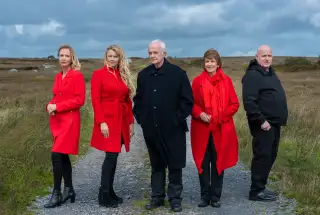
“Other productions can emulate Ros na Rún by remembering that less is more when it comes to sustainability”
On our screens for almost 30 years, it’s reasonable to say that Ros na Rún is the most successful and best-loved Irish language television show ever made. It’s been a staple of TG4 since the channel first started broadcasting in 1996. And like many classic soap operas, it attracts a dedicated viewership and, so, enjoys a significant cultural reach. This is a responsibility not lost on the crew. Wielding its influence, Ros na Rún makes sure that, on-screen, it is consistently promoting a culture of sustainability and the circular economy.
For example, there is the character Sonny Derrane, an ambitious property developer, whose business dealings include the building of modular and eco-friendly homes in Ros na Rún, the show’s fictional setting. Also in the town you’ll find Mánus Ó Direáin, who regularly holds protests relating to environmental issues. A recent scene followed little Liam Óg as he told his grandmother about the importance of recycling. The local postman even eschews a petrol-guzzling van and instead rides an electric bike. A circular mindset.
“We feature story lines that have themes of sustainability,” says Mairead Campbell, the show’s production manager. “They are not centred around sustainability, but the themes are running naturally through the storyline… Even if your story doesn’t have a place to mention environmental issues, an actor holding a KeepCup can have the same message.”
But Ros na Rún also looks inwards. “Green memos” – documents used in the film and TV industry to outline sustainability intentions – are circulated throughout production to help promote a circular ethos among cast and crew. These can be simple actions, like ensuring everyone is doing their bit when it comes to placing waste in its appropriate recycling bin. When the Deposit Return Scheme for bottles and cans came into effect, an orange bin was ordered for drinks containers collected on-site, with all refunded money since being donated to charity. This year, charging points will be installed in the staff carpark to encourage electric vehicle use.
Other practices include reusing timber whenever possible in the construction of sets. The art department now enjoys a purpose-built timber storage shed where they leave spare or old timber that can later be re-purposed.
“Things like building and frequently updating interior and exterior village sets generates high volumes of timber, paint, and prop waste if a circular reuse environment is not maintained,” explains Campbell. “We have seen how much of an impact these areas could have on our carbon emissions and have systems in place to address them.”
A circular ethos among cast & crew
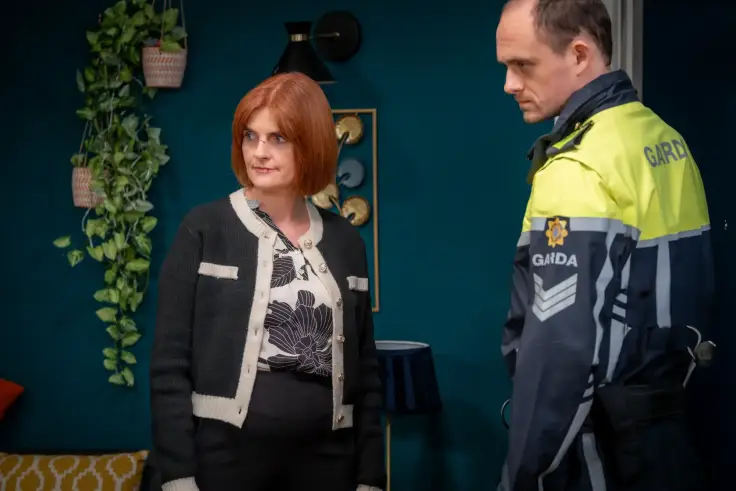
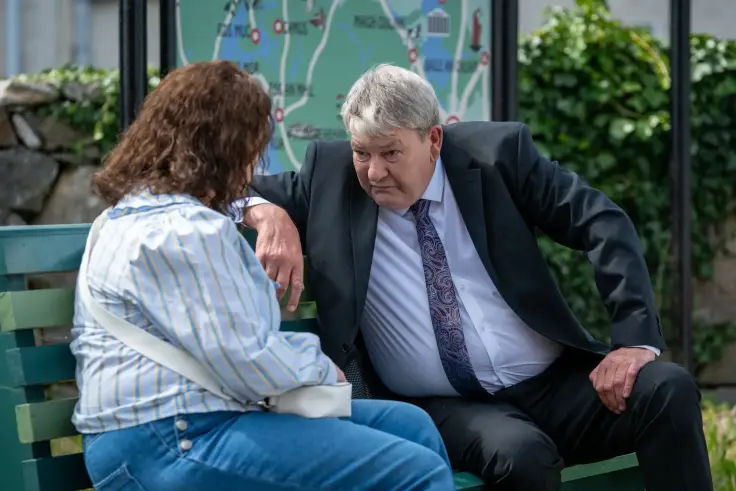
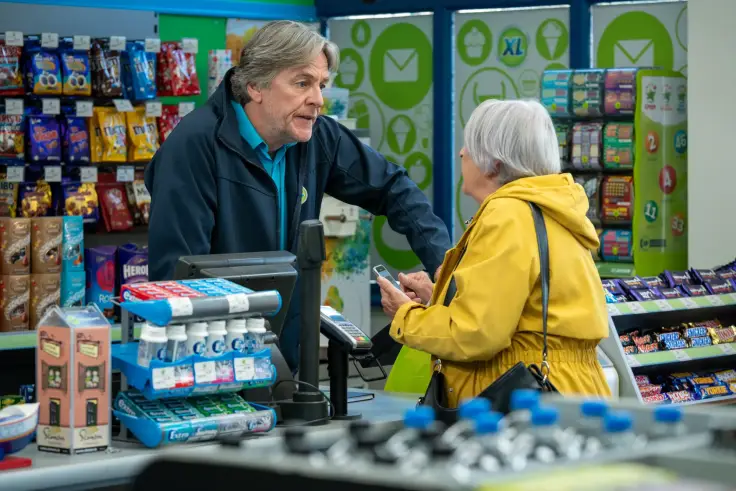
She continues, “Keeping our purpose-built studio facilities, lighting rigs, and post-production suites running across heavy multi-month shooting blocks demands constant, high-level power usage. Our solution to this was switching to LED lighting and changing energy providers to 100 percent green providers. This has been the biggest long-term impact for us to reduce our carbon emissions.”
The costume department also estimates that 45 percent of their costumes are sourced second-hand: “Thrifting takes more time and effort than shopping in mainstream stores for character clothes, but the designer is mindful of our impact on the environment when shopping for new looks,” says Campbell.
The film and TV industry is noted as being resource-intensive; productions can place heavy demands on natural resources. There are many pitfalls a long-running series like Ros na Rún can fall into: repetitive material waste, high recurring fuel emissions, intensive carbon emissions. Soul-searching within the broader industry remains slow, and so the show’s eco-conscious approach is particularly welcome.
“We are a long running drama, on the lower end of the budget scale, so we have always had to come up with more creative and sustainable ways to do things,” says Campbell. “We shoot on site in Spiddal, [County Galway], and on location in the surrounding areas, and we found that we have a lot of opportunity in terms of sustainability.”
This all fits within a larger commitment from TG4 to sustainable practices. In 2021, it became the first Irish broadcaster to require all its productions to use the albert carbon calculator to monitor carbon footprint. This allows crew to gain a better understanding of their environmental impact and, ultimately, be certified as sustainable production. TG4 has also made significant strides to supplement its electricity usage with solar power.
Can other shows take inspiration from Ros na Rún and apply its circular ethos? Campbell certainly believes so. “Other productions can emulate Ros na Rún sustainability practices by remembering that less is more when it comes to sustainability,” she says. “I think the bigger budget production can get caught up in the need to have things readily available and take for granted the difference that can be made if everyone works together.
“Being sustainable does take time and money to put the practices in place. But with clear goals and team effort there are opportunities everywhere, and if a show like Ros na Rún does another 31 seasons, I think we will all be proud of the environmental impact we have made.”
This case study was conducted in partnership with Sustainable Media Ireland.