
Swap don’t shop: Keeping your clothes in the loop
Is your wardrobe overflowing with clothes, but you still wish you had a new outfit to wear? Swap shops are popping up in community halls and local venues every weekend, giving the people of Ireland a fun and circular way to update their closets.

Is your wardrobe overflowing with clothes, but you still wish you had a new outfit to wear? Swap shops are popping up in community halls and local venues every weekend, giving the people of Ireland a fun and circular way to update their closets.
Many of us struggle with having more clothes than we can wear, with some items being left hanging in our wardrobes for months or years, tags and all. Rather than just donating clothes and buying more new, swap shops are getting creative with how we update our closets.
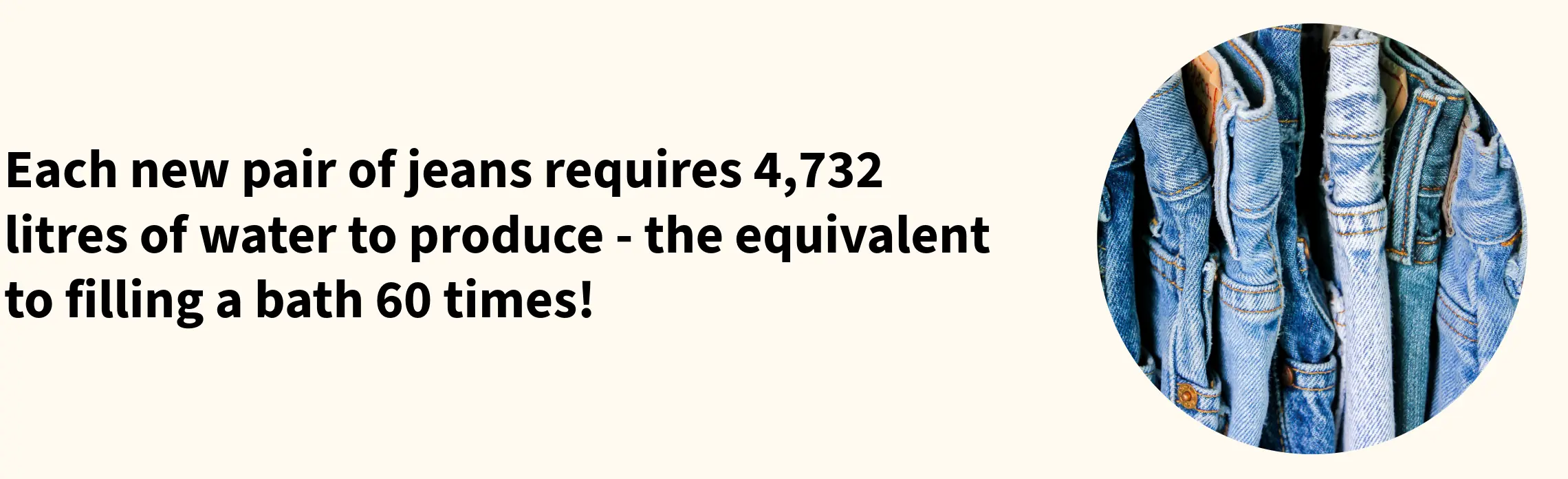
Sharing, exchanging and mending clothes with family and friends has long been a necessity in our society. With the rise of fast fashion and cheap, trending clothing, these behaviours began to fade in our communities. People are now becoming more aware of the negative impact of the overproduction and overconsumption of clothing worldwide, and are revisiting these ideas as a way to shop more sustainably.
Doubling the number of times a garment is worn, on average, would reduce emissions by 44% compared with producing a new item of clothing.
Many of the clothes we no longer want are in perfect condition and could have a second life. Growing interest in swap shops is playing out across Ireland, according to Maria Verrecchia of Change Clothes Dublin.
“They have certainly become more popular, which is only a positive thing. You will see students, community groups and friends throwing swap parties as a fun way to gather. Nowadays, swaps are not just about the clothing but also about socialising, making new friends, meeting like-minded people and sharing knowledge while addressing the clothing waste issue.”
“Buy less and swap more. Wear and share your clothing.”
So how does it work?
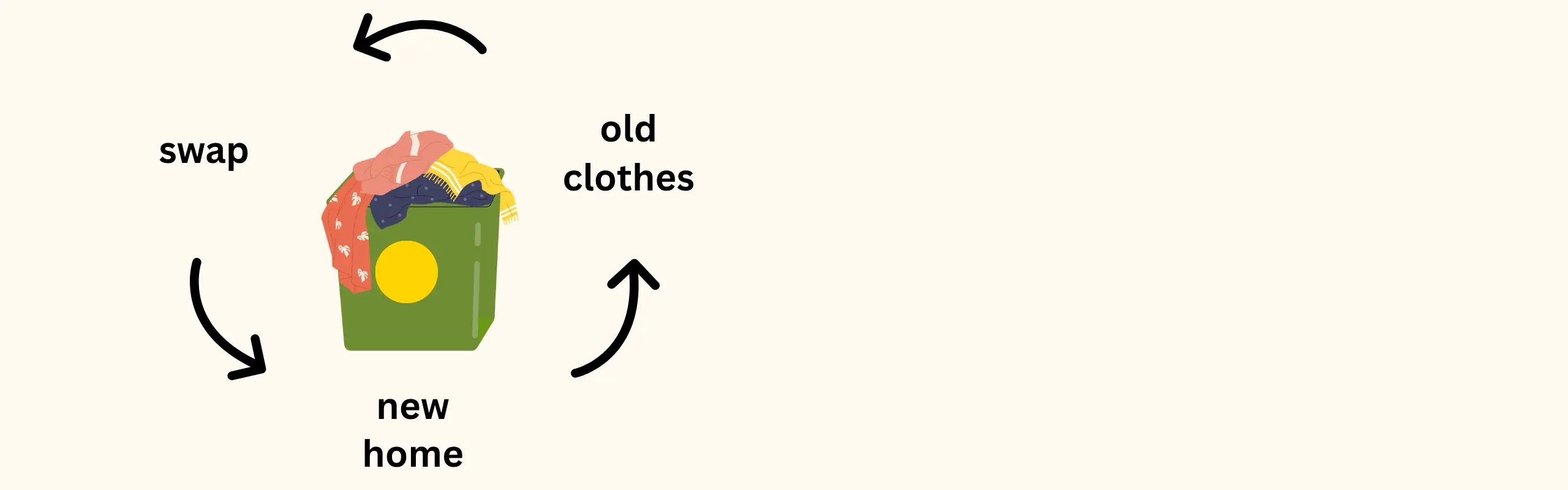
The idea is simple, bring clothes you no longer wear and exchange them for something new to you. Swap shops work best when the clothes are clean, good quality and ready to wear. When you arrive, your clothes are sorted into categories and tokens are given in exchange for what you bring. You can take your pick from what is available and leave with amazing pieces that don’t cost a penny! It’s a really great circular model that combines the fun of shopping with the reuse of what’s already out there.
“People are so happy to have the opportunity to use their own clothes as a form of currency. The enthusiasm at every event is always palpable,” says Louise Lalor from The Circular Square in Clonmel.
“The items sitting in their wardrobe unworn have the chance to see the light of day, meanwhile they go home with something 'new to them'. We are often told that people use our swap events instead of buying new fast fashion from the shops.”
If there are no swap events happening near you, hosting your own swap with friends and family can be a fun thing to do. You don't even need rails for a small gathering - the backs of chairs and the kitchen table would do.
“Pick a date and time and tell everyone to bring up to 5 items of good quality, clean clothes or accessories and off you go!”, says Louise.
Looking to swap uniforms or sports gear? Themed swaps cater to more niche audiences where clothing items are still turned over often. Sports swaps, for example, are a great way for club members to change up their sports wear and keep kits local. Find out how to organise a sports swap for your local club here.
Uniforms are another popular item to swap, often organised within schools, allowing students to size up or down without having to buy new. Seasonal and occasion wear swaps have also popped up, with vintage being one of the more popular types of events.
Kids swaps
Children's clothing is a great example of how quickly garments can be outgrown. Simply blink and your baby goes from onesies and slippers to trousers and shoes. The turnover is high and most of these clothes are in perfect condition, only being used for months at a time.
This makes kids clothes a great fit for swap models. Parents are always in need of new clothes for their children and almost always have something to donate in return.
Find more about swap shops and events here.

Host your own
-
Choose a theme
This makes it clear for people to know what to bring, whether that’s women’s clothing, kids clothes or uniforms. -
Organise your space
Choose where you will swap, kitchen, sitting room and even garden on a sunny day all work well. If you are opening it up to the public, see if a local community hall or library would be willing to host you. -
Spread the word
Invite friends and family and let them know what to bring. If you are inviting people further afield, make a clear poster with all of the details. -
Swapping system
Choose between ‘bring and take’ or token systems for your swap. This makes it easier to determine a garment’s worth and awards value to better quality clothing
Swap shops offer the fun of shopping, without the negative environmental impact of buying brand new clothes.
“People are so happy to have the opportunity to use their own clothes as a form of currency. The items sitting in their wardrobe unworn have the chance to see the light of day, meanwhile they go home with something 'new to them'. We are often told that people use our swap events instead of buying new fast fashion from the shops.” says Louise.
Reimagine your wardrobe with our simple tips and discover how to make your clothing more circular at reverse the trend.
Find your next Swap Shop today
Here are some of our favourites
- Circular.ie Events Visit our events page for the latest circular events in Ireland
- Change Clothes Swap shops, workshops and more
- Fas Fashion Co. Dublin
- Circular Costume Ireland Co. Wicklow
- The Circular Square Co. Tipperary
- Circular Style Designer clothing rentals
- Restyle by Cecas.ie Co. Cork
- Shop Til Ye Drop Co. Dublin
- Clothes Swap Co-Op Co. Cork
- Cork Clothes Swap Co. Cork
- Preloved Clothing A second hand marketplace for Ireland