
Beginners guide to: Allotments
Growing food on an allotment isn’t just about what you pick at the end - it’s about how you use everything along the way. By keeping things circular, you can turn scraps into resources and make your plot easier to manage, more productive, and a bit kinder to the planet.
Growing food on an allotment isn’t just about what you pick at the end - it’s about how you use everything along the way. By keeping things circular, you can turn scraps into resources and make your plot easier to manage, more productive, and a bit kinder to the planet.
Reducing food waste
Growing your own food can reduce food waste, allowing you to harvest only what you need, when you need it. That means fewer vegetables and herbs sit in the fridge until they spoil, and any extra produce can be shared, preserved, or composted instead of thrown away.
It also helps us value our food more, since we’ve spent time growing it ourselves - we’re less likely to throw out something we made ourselves. In practice, that can mean less wasted food at home, and far less packaging to dispose of, too.
‘Food empathy’ is a phrase made by Mick Kelly of Grow It Yourself (GIY), as he attempted to describe the behaviour changes that can happen when people grow some of their own food. “Even if they only grow 1% or 5% of the food they eat, the knowledge they gain from the act of food growing can change the other 95% of what they eat,” according to GIY.
“So, yes growing your own food is good for your mental health, gives you access to healthy, organic food and might even save you some money. But the real benefit is in the knock-on, long term behaviour changes that result.”

How to get an allotment?
-
Many allotments in Ireland are managed through local county councils. If you want to find one near where you live, visit your county council website and fill in a form. Beware, though, waitlists can be very long and often there’s only one time of year to secure one.
-
There are a number of private allotments, also. For example, Malahide Allotments is a community based project run by the Epilepsy Care Foundation. Elsewhere there's Festina Lente in Wicklow, Douglas Allotments in Cork, and many more.
-
Elsewhere there is an abundance of private allotments or community gardens. For example, Dublin Community Growers lists dozens of spaces across the county where people can find spaces to try their hand at growing fruit, vegetables and flowers.
-
On a national scale, Community Growers Ireland does similar, with a map of available community spaces in the country.
Allotments
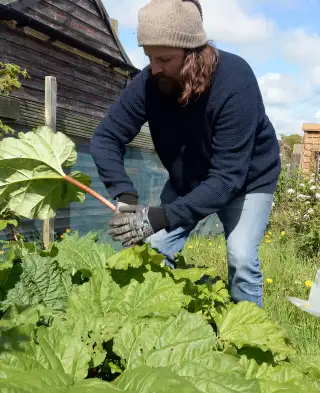
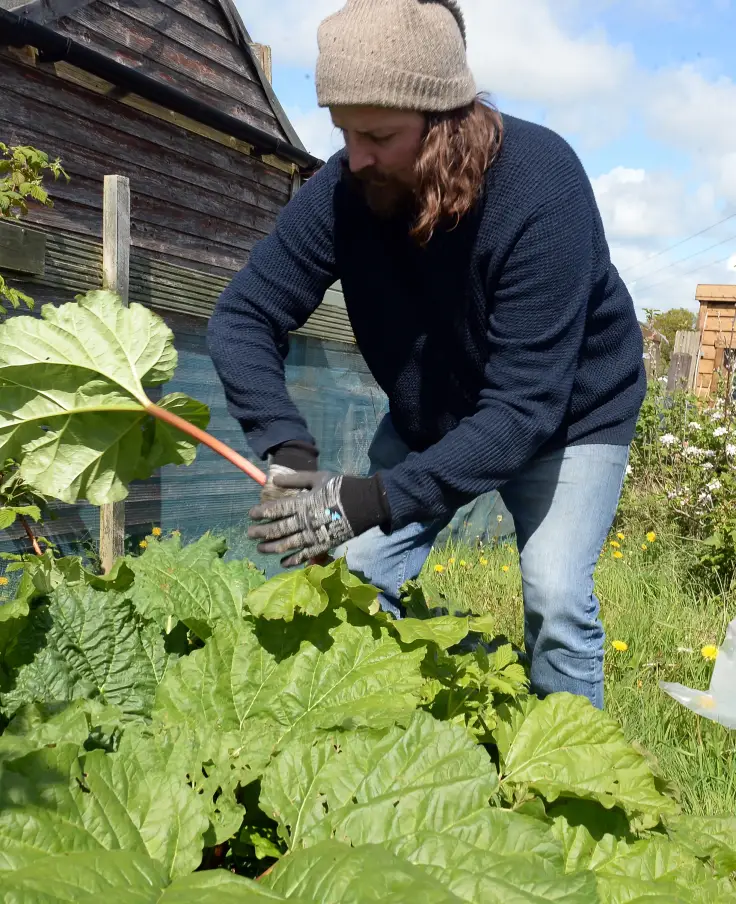
About three years ago I got an allotment in North County Dublin. Since then, the shortlist of successful foodstuffs my wife and I have grown reads peas, potatoes, tomatoes, cucumber, courgettes, strawberries, rhubarb and beetroot. The longer list of foodstuffs I have unsuccessfully grown includes carrots (three types), corn, brussels sprouts, cabbage (four types), cauliflower (two types), blueberries, oranges, turnips, chard (three types), olives, lettuce, beans, sugar snaps, spring onions, leeks, peppers, chillies…
The tally is 8:25 and, adding in the fact that four of the eight successes I have had were planted by the previous allotment owner, it is clear that I need some help.
“Always think native. Trying to grow stuff that doesn't grow in Ireland very well, especially if you are a beginner, can be a mistake.” That’s according to Rediscovery Centre’s Rossa Cassidy.
A former farmer, Rossa is now biodiversity officer at the Rediscovery Centre, and a member of the Ballymun Biodiversity Action Group. “Tomatoes, peppers and chillies are hard. They need a lot of energy, warmth and attention. Above all, they tend to need indoor space, which not everybody will have. Instead, look at root vegetables. Potatoes, turnips, parsnips etc.”
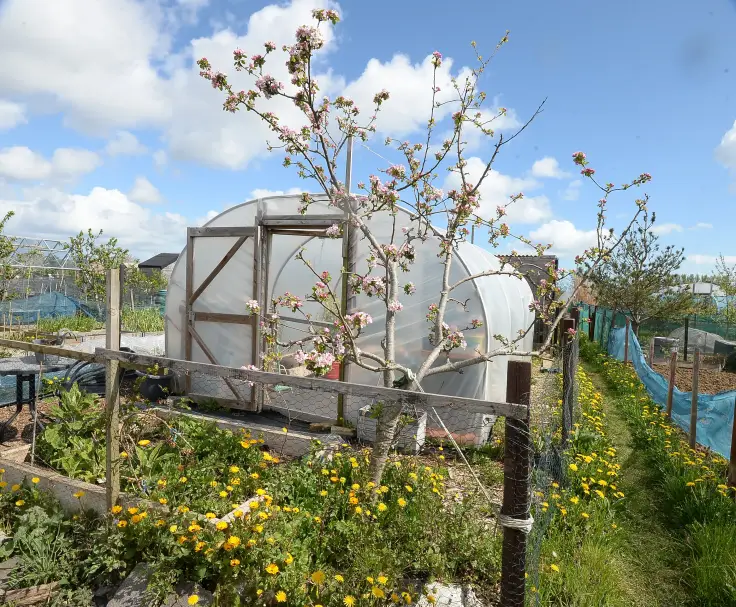
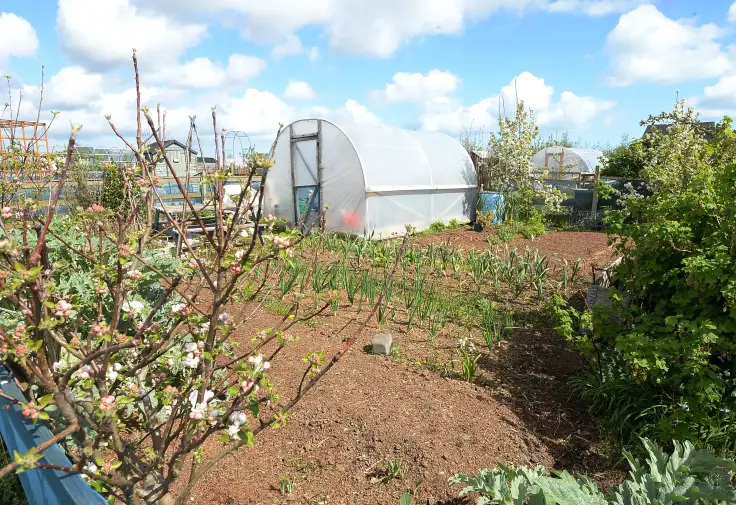
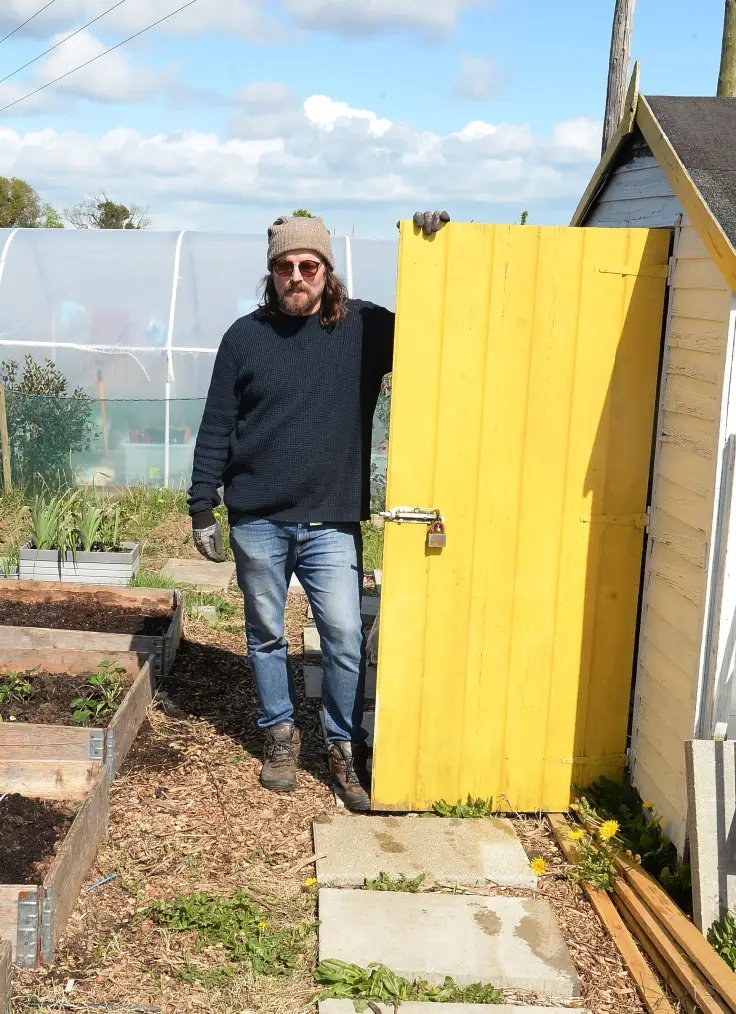
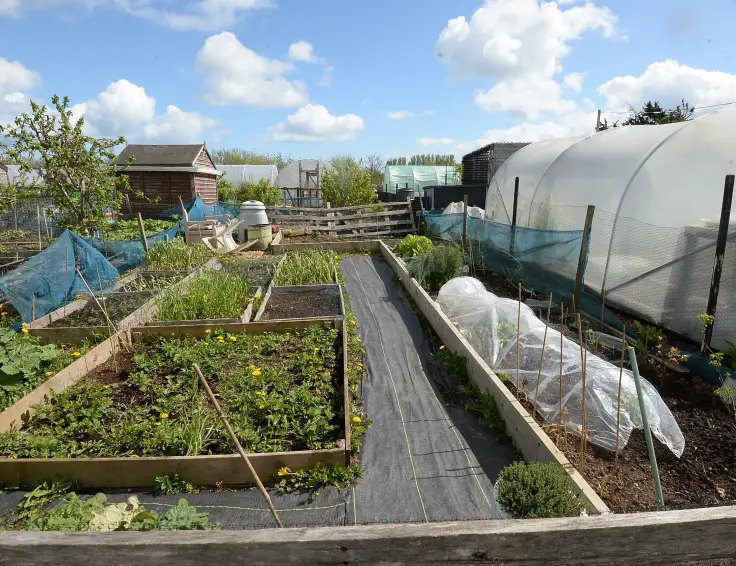
Allotments vary in size, suitability, location, cost and rules. Whereas mine doesn’t allow pesticides, others might. My plot is a square, others are long narrow strips. Mine, luckily, came with a small shed, others include polytunnels, greenhouses, potting sheds or, more likely, none of the above.
The highest activity points in the year are March, April and May for planting, or July, August and September for harvesting.
Sense of community
Having an allotment has been wonderful, despite my many flaws. There, I have learned so much from everyone around me. I ask around, and someone always answers.
When do spuds go in the ground? “Around the week of Paddy’s Day”. How do I build a shed to store my things? “Let me help you do it now”. How do I tackle the slug issue? “When you find out, let me know.”
The sense of community is immense, the sharing of ideas relentless and the acknowledgment that we are all just trying to solve one problem at a time is made clear one day into your growing, when you see the various pieces of rope or lengths of wood that barely hold together a raised bed or make-shift greenhouse.
Use your garden, or window
However, planning and managing a garden for food can be daunting and, in truth, not everybody has access to a green space they can plant in. But that doesn’t need to stop you.
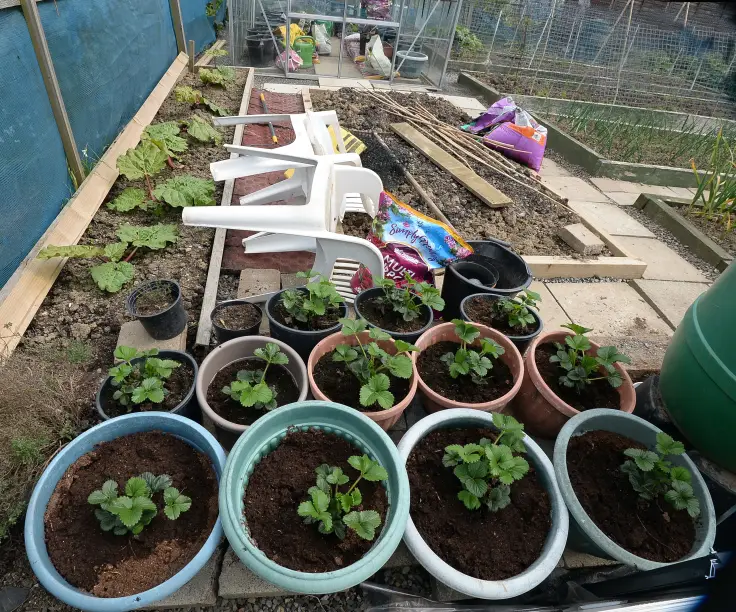
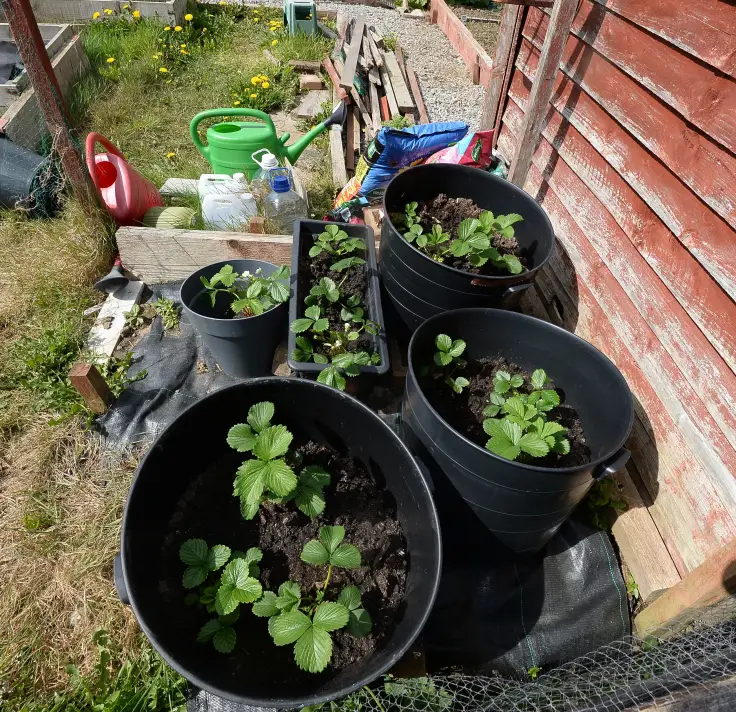
This year I am growing half of my potatoes in used buckets, to save on space. The most successful tomatoes I have seen grown were planted into disused three-litre plastic bottles of TK Lemonade. Strawberries excel in hanging baskets. Peas can grow along a frame of bamboo sticks you find lying around your house. Blackberries thrive pretty much anywhere they wish.
“The amount of people that have front gardens and don’t use them…,” says Rossa. “Front gardens can be wasted spaces. If you grew food there they could be a talking piece, a nice community moment, where you grow and share. You could grow herbs, or an apple or pear tree, with little effort.
“Start things off by seeding on windowsills early,” says Rossa. “April is great for this, using your indoor sun-drenched space, which provides a warm environment for seeds to grow. You can start by filling egg cups with a small bit of compost and add the seeds of your choice.
“I’d recommend garden herbs. People often start with the likes of basil, but I think it might be better to go for thyme and rosemary, they’re strong and they grow fast. Always consider ‘will I use these herbs?’. If not, don’t bother growing them. The same is true of lettuces, or rocket.
“When they get stronger you can promote them to outside on the window ledge, after the frosts have passed.”
Many now make their own compost, too, comprising everything from grass clippings to fruit discards, egg shells to dead leaves. This is a simple process of layering green on brown on green on brown. Find a space in your garden or allotment and put in a layer of old cardboard or dead leaves, then grass clippings/fruit skins etc, and repeat. After a few months you have compost richer than anything you can buy in a store.
So little needs to be binned.
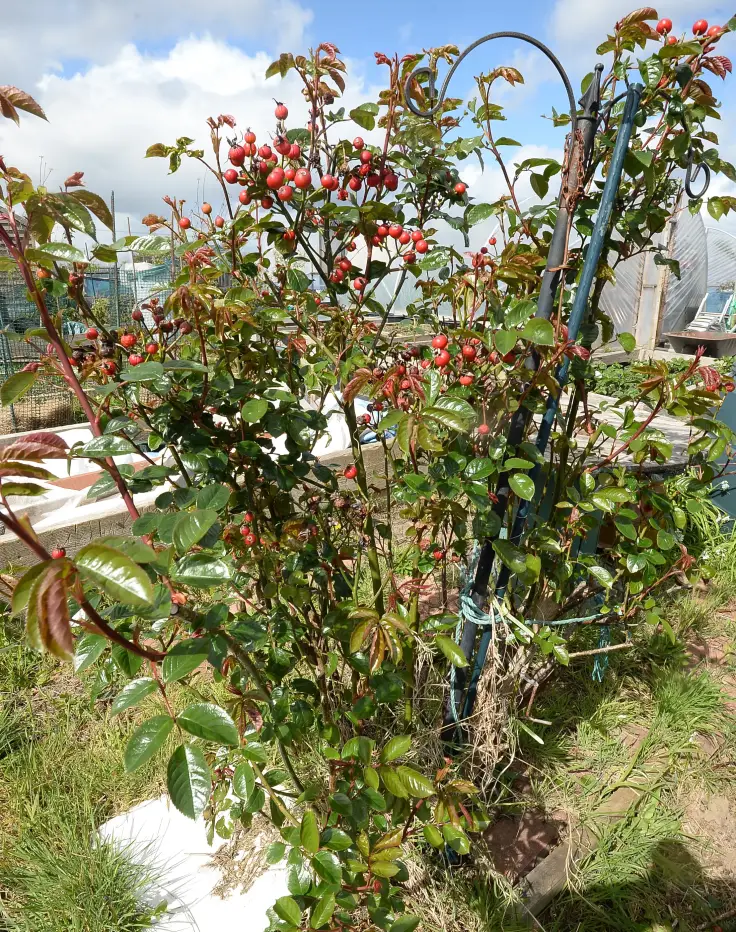
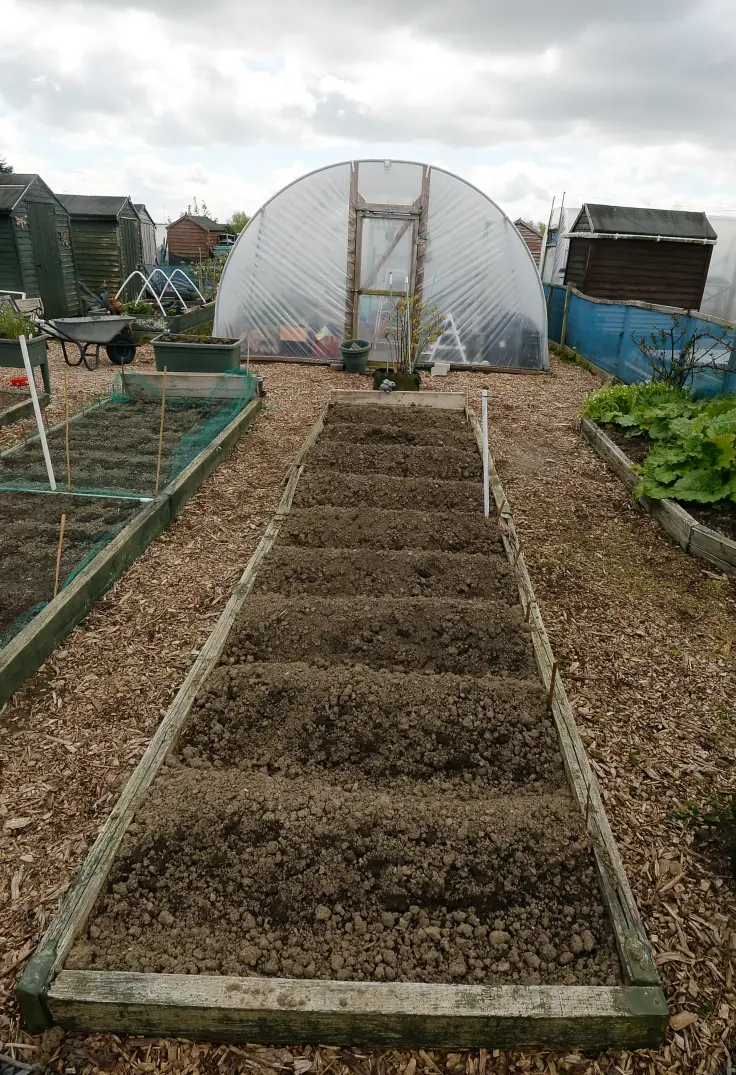
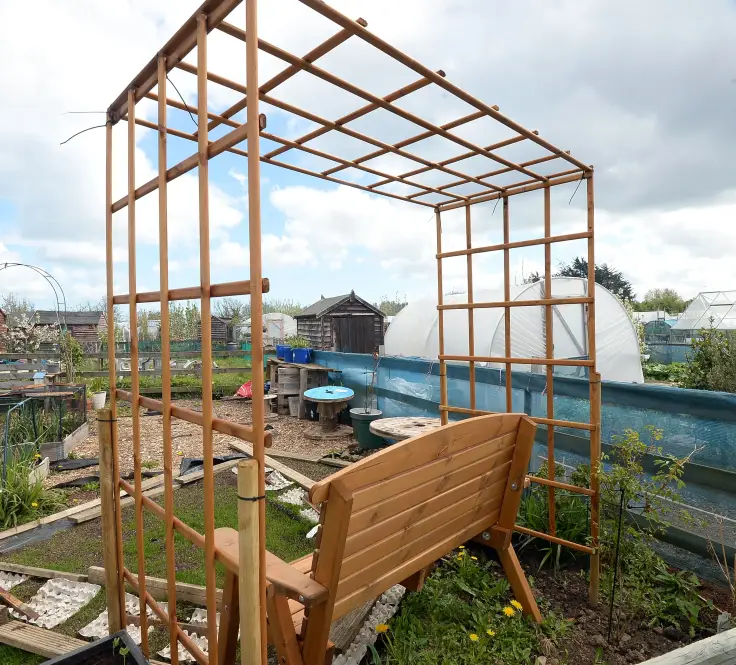
What it's like at an allotment
Ask around
Above all, though, ask around. There are many resources for people looking to grow food for the first time. GIY, for example, runs regular courses on foodgrowing.
Their programmes are designed to educate, inspire and empower homes to grow, share and understand how their local action can deliver global impact.
From there, then, food waste in the fridge can be a focus. Afterall, what is the point of making food if you struggle to manage what’s already in your fridge?
Looking for leftover inspiration?
Enjoy these recipes and tips from some of our favourite resources
- Stop Food Waste Stop Food Waste is the national campaign to reduce household food waste in Ireland
- Grow it Yourself Learn to grow, cook and eat some of your own food.
- Chef’s Manifesto Chefs from around the world exploring sustainable food.
- Love Food Hate Waste Simple hacks, tips and guidance to make the most of your food at home.
- BBC Good Food Don't let anything go to waste with BBC’s top leftover recipes.
All images via Eamon, Malahide Allotments